Comprehensive assessments
Getting to know your child’s strengths, needs, interests, and starting point.


THEIR STRENGTHS. THEIR OWN POSSIBILITIES.
Individualized ABA support for children and teens, built around their strengths, interests, and everyday life.
Primarily serving children and teens ages 2–18
OUR SERVICES
From understanding where to begin to practicing skills in everyday life, we build care around each child and family.
Getting to know your child’s strengths, needs, interests, and starting point.
Meaningful goals and learning opportunities shaped around your child.
Practical strategies and an active partnership with your family.
Structured opportunities to practice play, communication, and connecting with peers.

START WITH WHO THEY ARE
Understanding their world helps us shape support around them.
GETTING TO KNOW THEIR WORLD
What sparks their curiosity? How do they communicate? What helps them feel comfortable? We begin by understanding your child’s strengths, interests, routines, sensory preferences, and current skills.
We use play, motivation, and natural interactions to create engaging learning opportunities. Each child’s starting point matters, and their goals grow from there.
We pay attention to each child’s willingness to participate, choices, and requests for breaks. Support can include a change in approach, movement, sensory input, or time to pause.
HOW WE HELP
From early play to planning a school day, meaningful skills look different for every child. Explore some of the areas an individualized ABA program may support.
Building functional communication and expressive and receptive language through play and everyday interactions—so your child has more ways to express needs, make choices, and connect.
Developing functional and imaginative play, exploring new interests, and learning through activities your child finds motivating and enjoyable.
Practicing conversation, initiating and responding to others, cooperative play, friendship skills, perspective taking, and participation in social situations.
Structured opportunities to practice social communication, cooperation, play, problem-solving, and interaction with other children. Contact us to discuss group fit and current options.
Building greater independence with age-appropriate routines such as dressing, hygiene, mealtimes, organization, and taking part in life at home and in the community.
Using behavior-analytic strategies to support mealtime skills and, when clinically appropriate, gradually increase food acceptance and variety.
Learning to recognize, monitor, and manage personal routines, behavior, tasks, and goals as developmentally appropriate.
Developing planning, organization, flexibility, problem-solving, task initiation, time management, and strategies for completing multi-step tasks.
Practicing foundational learning skills such as attending, following instructions, completing tasks, and moving between activities to support participation in educational settings.
Developing imitation and motor-related skills when they are relevant to your child’s individualized ABA goals.
Understanding the function and context of behavior, then teaching meaningful replacement skills, communication, and coping strategies that support greater independence.
Helping caregivers understand their child’s learning, communication, strengths, and needs. Together, we break complex skills into manageable steps and practice strategies that fit everyday routines.
These are possible areas of support, not a checklist for every child. Goals and services are individualized through assessment, your child’s strengths and needs, and your family’s priorities.

A PLAN THAT GROWS WITH THEM
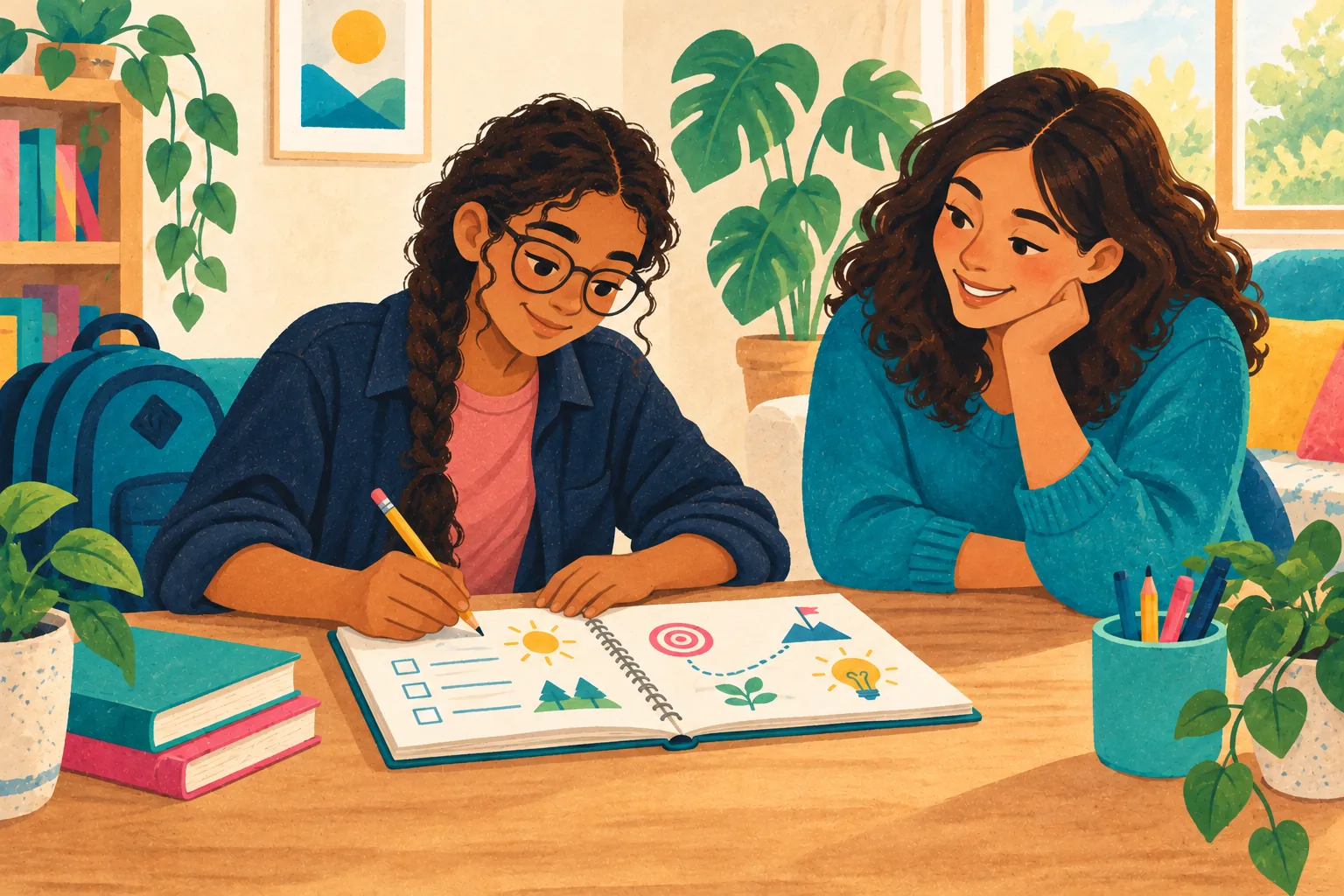
Asking for a favorite toy. Joining a conversation. Planning a school project. We choose goals that support connection, independence, participation, and quality of life.
Qualified Board Certified Behavior Analysts (BCBAs) provide assessments, treatment planning, and clinical oversight. Our in-house BCBA supports the treatment team with ongoing supervision, consultation, and collaboration.
With your consent, we also collaborate with professionals involved in your child’s care, including educators and other healthcare providers.
Let’s talk about your family
A PLAN MADE TOGETHER
A shared understanding, practical support, and room for the plan to grow.
CONNECTED TO EVERYDAY LIFE.
Our clinic location is being finalized. Individualized ABA support makes room for movement, regulation, sensory exploration, and breaks according to each child’s needs and preferences.
We also offer services in homes, schools, community settings, and through telehealth when clinically appropriate.
Community-based services may be available throughout Southern California, depending on your child’s needs, location, and clinician availability.
Ask about support near you
LEARNING CAN HAPPEN IN MANY PLACES
The right setting is part of an individualized plan. Let’s explore what fits your child and family.
THREE STARS. ONE CONNECTION.

Mintaka is one of the three stars in Orion’s Belt. Its name comes from the Arabic minṭaqah, meaning “belt”—a connection that brings separate stars into a familiar pattern.
That idea is at the heart of our practice: a supportive connection between your child, your family, and the places where they learn and grow.
Their own strengths. Their own personality.
Their own way forward.
A FIRST STEP, TOGETHER
Whether you’re exploring ABA for the first time or looking for a different kind of connection, a conversation is a good place to begin.
Email us with your questions and a little about the support you’re looking for.
Ask about current services, availability, and what getting started could look like for your family.
Discuss whether Mintaka may be a fit and what information is needed to move forward.
ROOM FOR YOUR QUESTIONS

Applied behavior analysis is an approach to understanding learning and behavior. It can use positive reinforcement, step-by-step teaching, and practice to build skills. Goals and progress are reviewed over time.
At Mintaka, we build learning around each child’s strengths, interests, and natural opportunities for play and connection, with goals that matter in everyday life.
We primarily serve children and adolescents ages 2–18. Programs reflect each child’s strengths, needs, developmental profile, and family priorities.
Clinical fit and eligibility are determined through intake and assessment and may also depend on applicable insurance or funding requirements.
No. We start with comprehensive assessment, direct observation, your child’s interests and current skills, and what matters to your family. Goals support meaningful communication, independence, participation, and connection.
We review progress regularly using clinical data, observation, and caregiver input, and adjust goals and strategies as your child’s needs change.
Qualified Board Certified Behavior Analysts (BCBAs) provide assessments, treatment planning, and clinical oversight. Mintaka has an in-house BCBA for ongoing team support, supervision, consultation, and collaboration.
Our therapists receive ongoing supervision, training, and mentorship to support continued learning and clinical growth.
We honor communication in all its forms and pay attention to assent—the child’s willingness to participate—as well as preferences, choices, and requests for breaks.
We learn how each child expresses comfort, discomfort, and engagement. Our team responds with support that may include a change in approach, movement, sensory input, or time to pause.
Parents and caregivers are active members of the treatment team. Your priorities and insight help shape goals, and ongoing guidance and training help you use practical strategies within everyday routines.
With family consent, we also collaborate with other professionals involved in the child’s care.
Learning can include naturalistic approaches such as Pivotal Response Treatment (PRT), using play and everyday interactions to encourage communication.
When developmentally and clinically appropriate, our approach may also include principles and strategies informed by Acceptance and Commitment Training (ACT), with an emphasis on psychological flexibility and values-based skills. The approach is selected around the individual child.
Our clinic location is being finalized. Contact us for the latest location details. We also provide services in homes, schools, community settings, and through telehealth when clinically appropriate.
Community-based support may be available throughout Southern California depending on client needs, location, and clinician availability. Contact us to discuss your location and options.
There is no single schedule that is right for every child. Recommendations depend on an individualized assessment, the goals being considered, and your child’s and family’s circumstances. Reach out to discuss the assessment process and current availability.
Please contact Mintaka to confirm current insurance arrangements, fees, and availability before making plans. We can also discuss which service options may be a fit and what information is needed to move forward.
YOUR FAMILY’S NEXT CHAPTER
A question is a perfectly good place to start.
Say hello to MintakaFor your privacy, please keep your first email general and avoid sending medical records or sensitive details.